A Belmont Avenue kitchen, built the long way around.
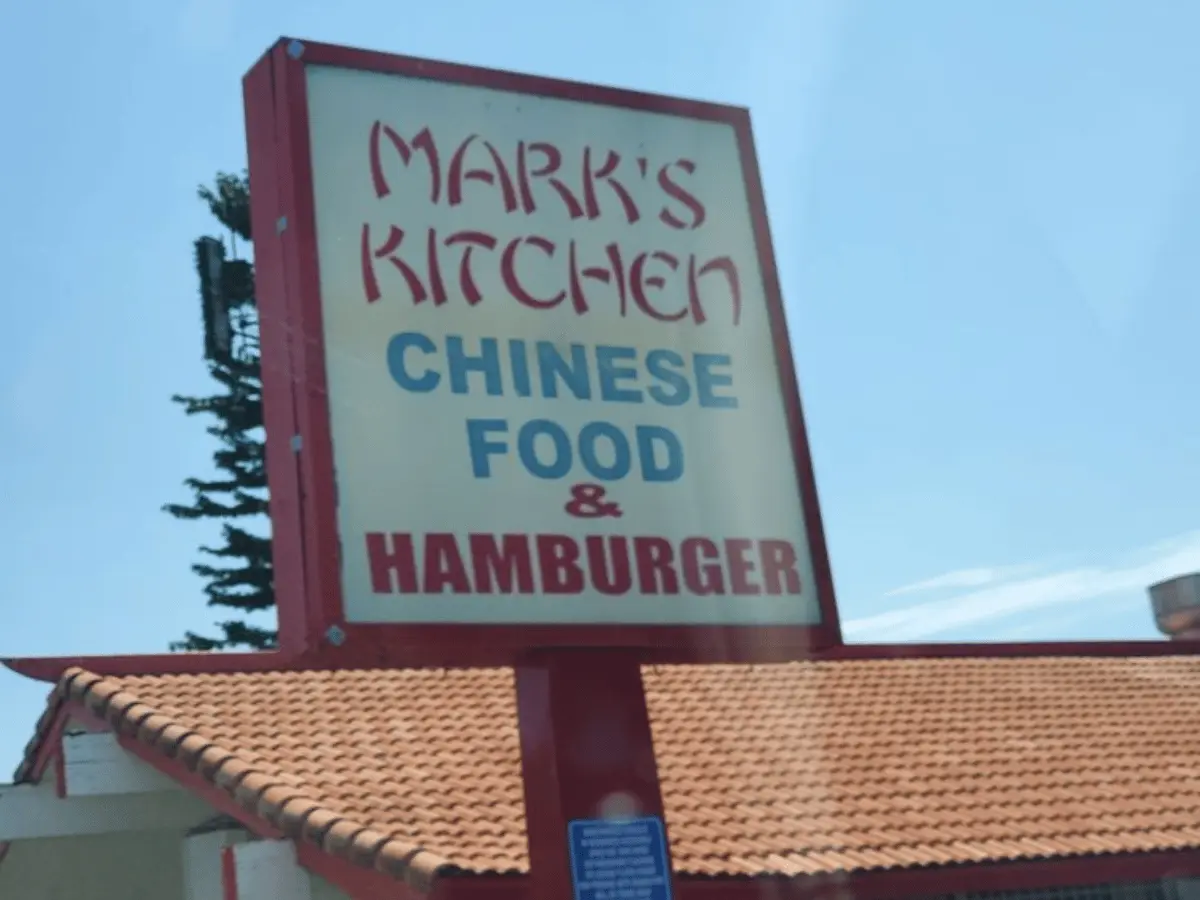
Mark's Kitchen started the way a lot of neighborhood spots do — one wok, a short menu, and the idea that the food closest to home shouldn't be the food you settled for. We opened on East Belmont Ave with a handful of Chinese classics, and we figured the rest of the menu would earn its place over time.
It did. Orange chicken became the dish people ordered without looking at the board. Mark's House Special came out of a cook who wanted one plate that showed off everything the kitchen could do. The combination plates grew out of what regulars actually needed — hot, filling, and ready before the hour was up. Nothing was designed in a meeting. Most of it was designed at the wok, between tickets.
"We never set out to be the biggest kitchen on the street. Just the one people keep coming back to."
— The Mark's Kitchen crew
Three things we don't compromise on.
Fresh Daily
Produce arrives from valley growers through the week, not frozen in a warehouse. We prep each morning and cook to order through the day.
Family-Run
The kitchen is led by people who live in the neighborhood. Decisions get made at the pass, not in a corporate office three counties away.
Fresno Made
We hire locally, buy locally when we can, and close up early one Saturday a season to put sandwich sales toward a Fresno school.
How we think about the food.
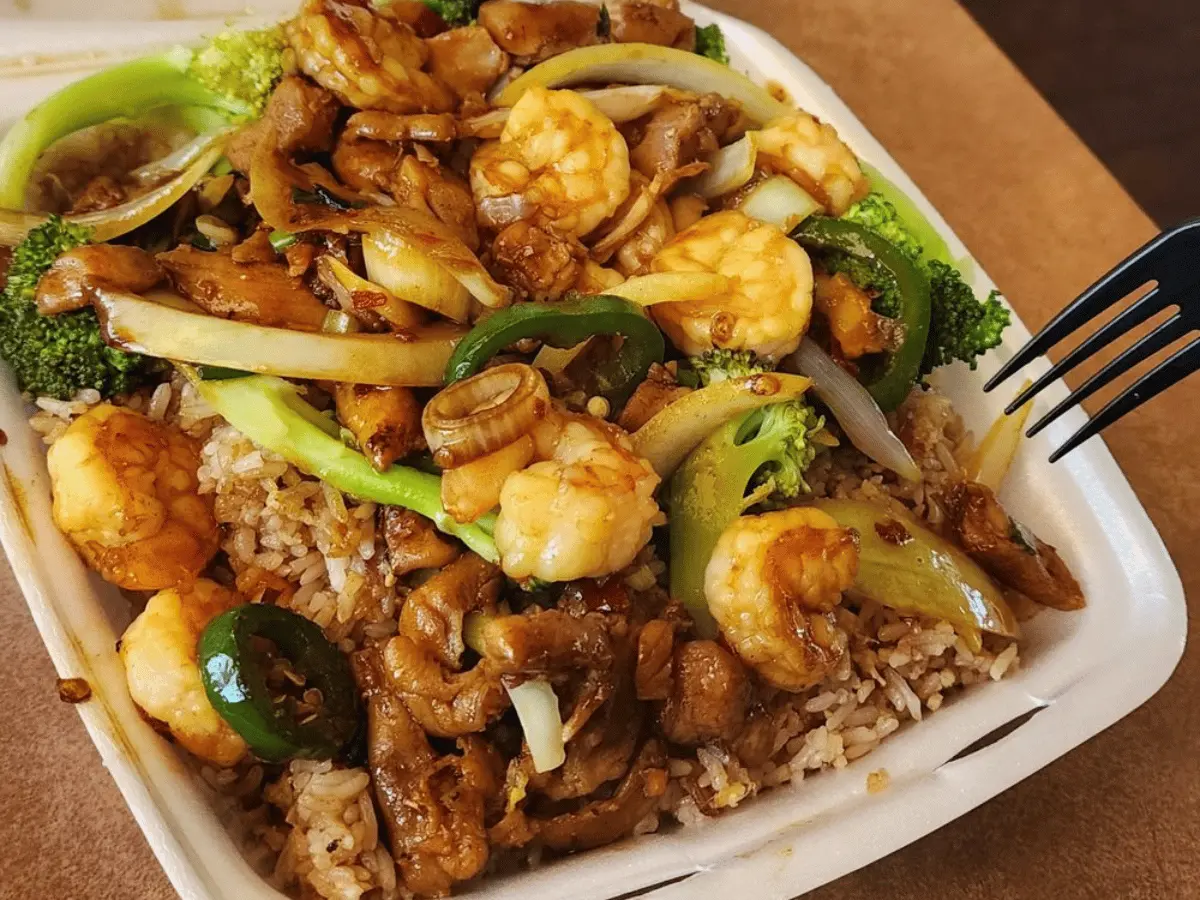
Ingredients first, garnish second.
We start with what's coming out of the valley — tomatoes that actually smell like tomatoes, lettuce with some crunch left in it, eggs from a producer we can name. We don't bury a plate under sauces or stack it for the camera. The goal is a meal that tastes like its ingredients, served hot, in portions that mean you're not looking for a snack an hour later.
Cooked to order, even when it's busy.
The lunch rush is real, and we've built the line to handle it — but we don't pre-plate and we don't hold food under a heat lamp. When you order, it goes on the rail and gets made. It costs us a minute or two; it's the difference between a sandwich and a sandwich you'll come back for.
What it's like when you walk in.
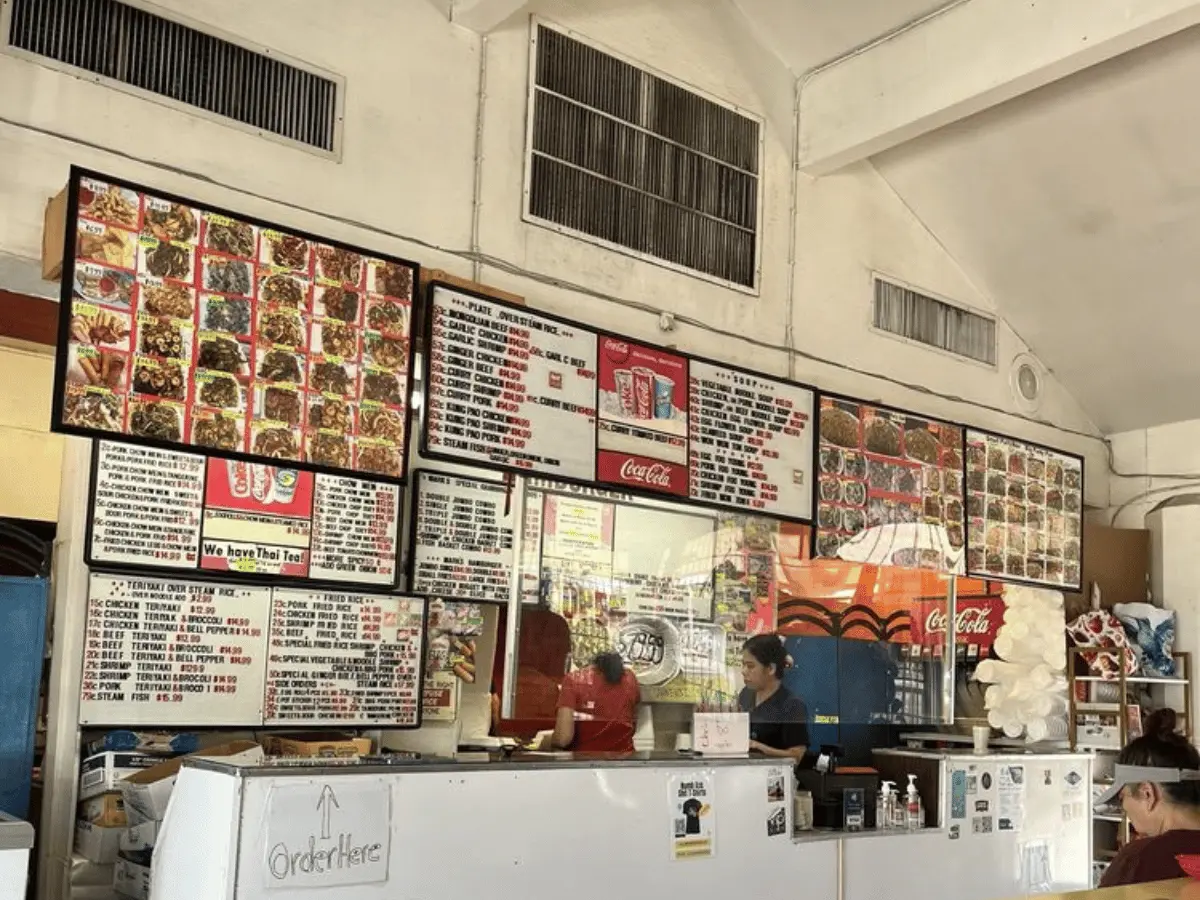
Dine-in is straightforward — a handful of booths and counter seating, the coffee's already on, and the board's on the wall if you need a minute. Mornings are unhurried; the lunch hour moves with purpose; evenings settle back down for families and the takeout regulars. Takeout works the way you'd want it to: call ahead, give us ten or fifteen minutes, and your order's bagged and waiting by the time you pull into the lot.
You'll hear the kitchen before you see it — the flattop, the ticket printer, someone calling a pickup. We like it that way. A quiet kitchen is usually a slow one.
The kitchen culture.
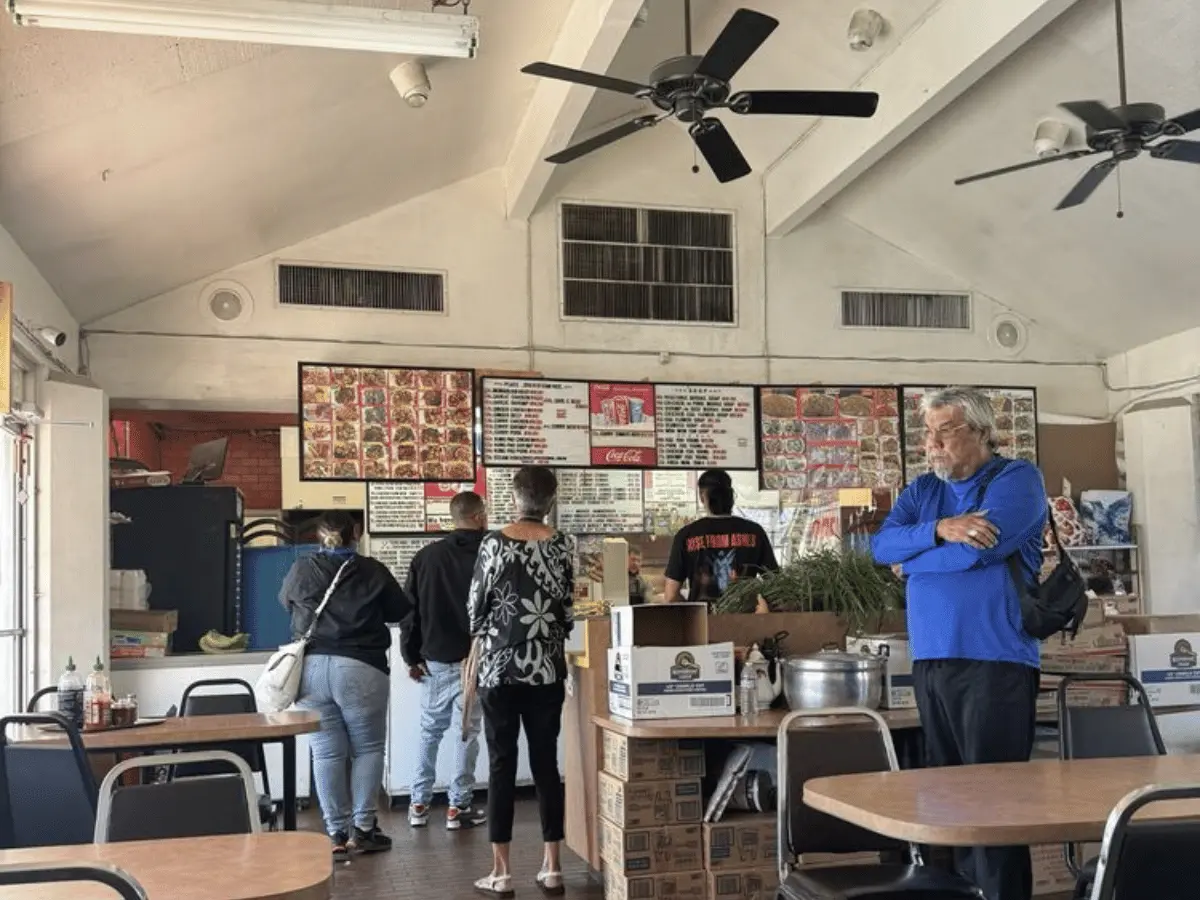
Our kitchen team is small on purpose. Most of the crew has been here for years — the morning cook who taught the rest of us how to time a short-order ticket, the lunch lead who can read the rail from across the room, the dishwasher who keeps the whole thing moving. We cross-train, so the person on the wok can jump to the pass when it gets busy, and everyone knows where the produce comes from because they're the ones unpacking it.
We hire from the neighborhood, we pay above the going rate, and we promote from the line up. It's not a complicated philosophy — it just means the people making your food are the same ones who'll be here next year.
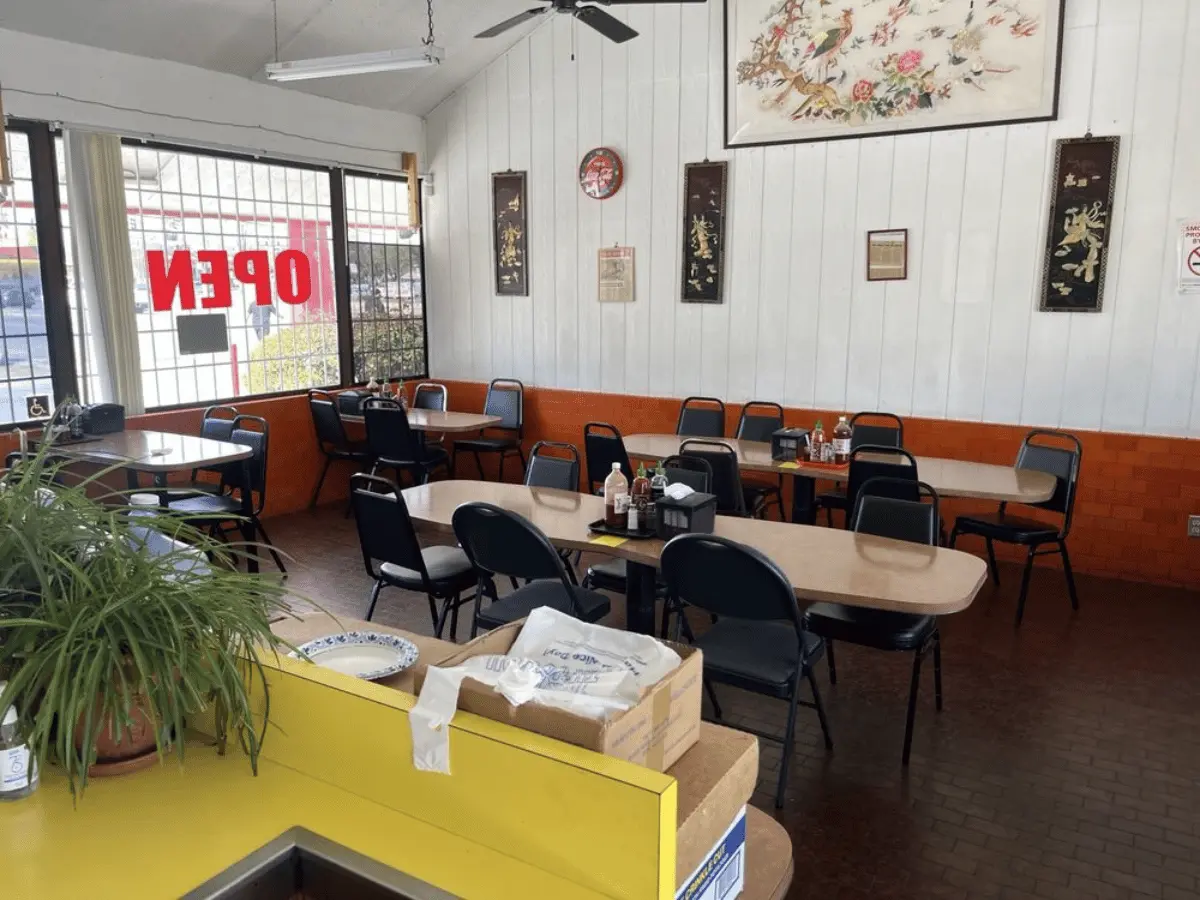
Rooted in the neighborhood we feed.
Being a local kitchen means acting like one. We source from valley growers when the season allows, we keep our takeout packaging recyclable, and once a season we close early on a Saturday to run a table out front — sandwich sales go straight to a Fresno elementary PTA. It's not a marketing program. It's just the kind of thing a place on Belmont is supposed to do.
Come see us, or call ahead.
The counter's open Monday through Saturday. Phone in an order, or grab a booth — we'll take care of the rest.
- 4828 E Belmont Ave, Fresno, CA 93727
- (559) 454-1438
- Mon–Sat · 10:30 AM – 8:30 PM
Closed Sunday