Kitchen Tips
How to Reheat Mark's Kitchen Leftovers (Without Ruining Them)
By the Mark's Kitchen crewPublished October 20267 min read
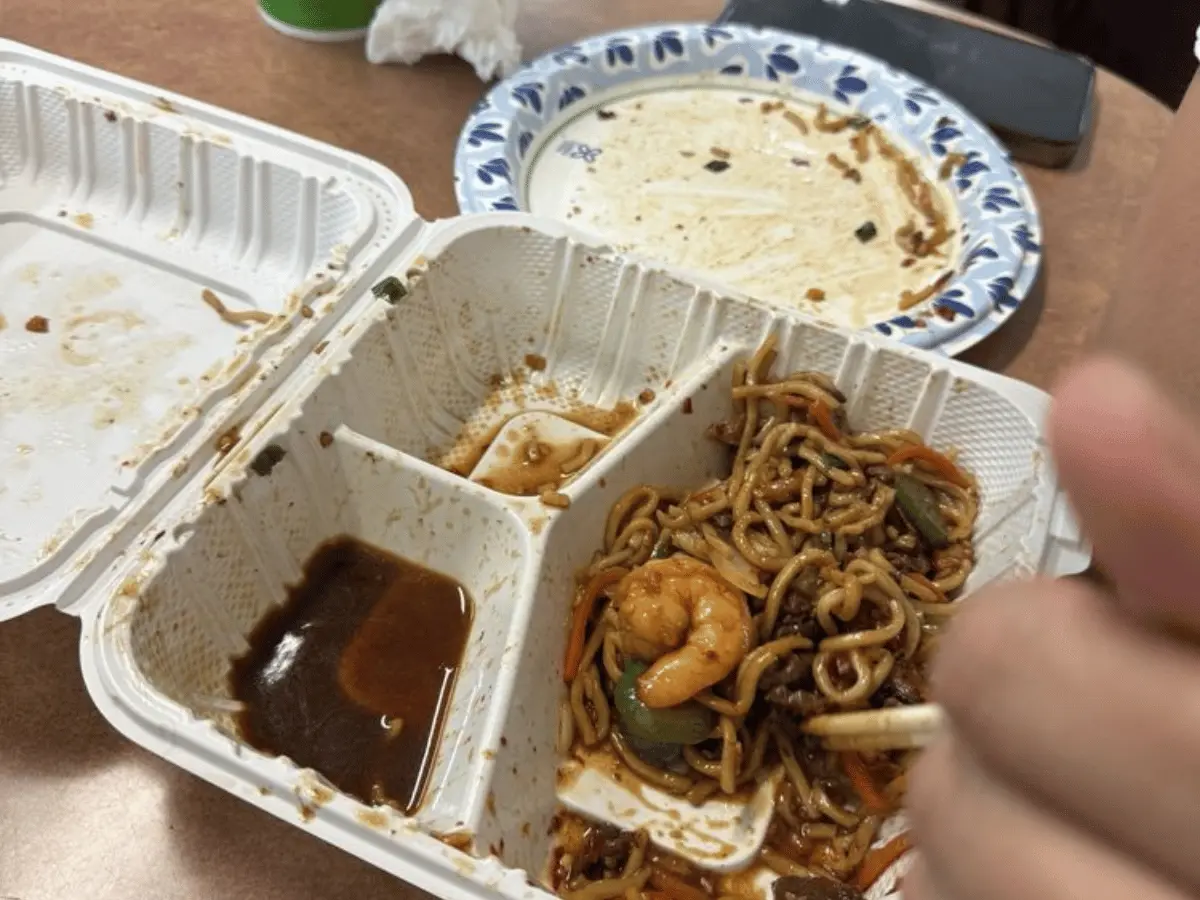
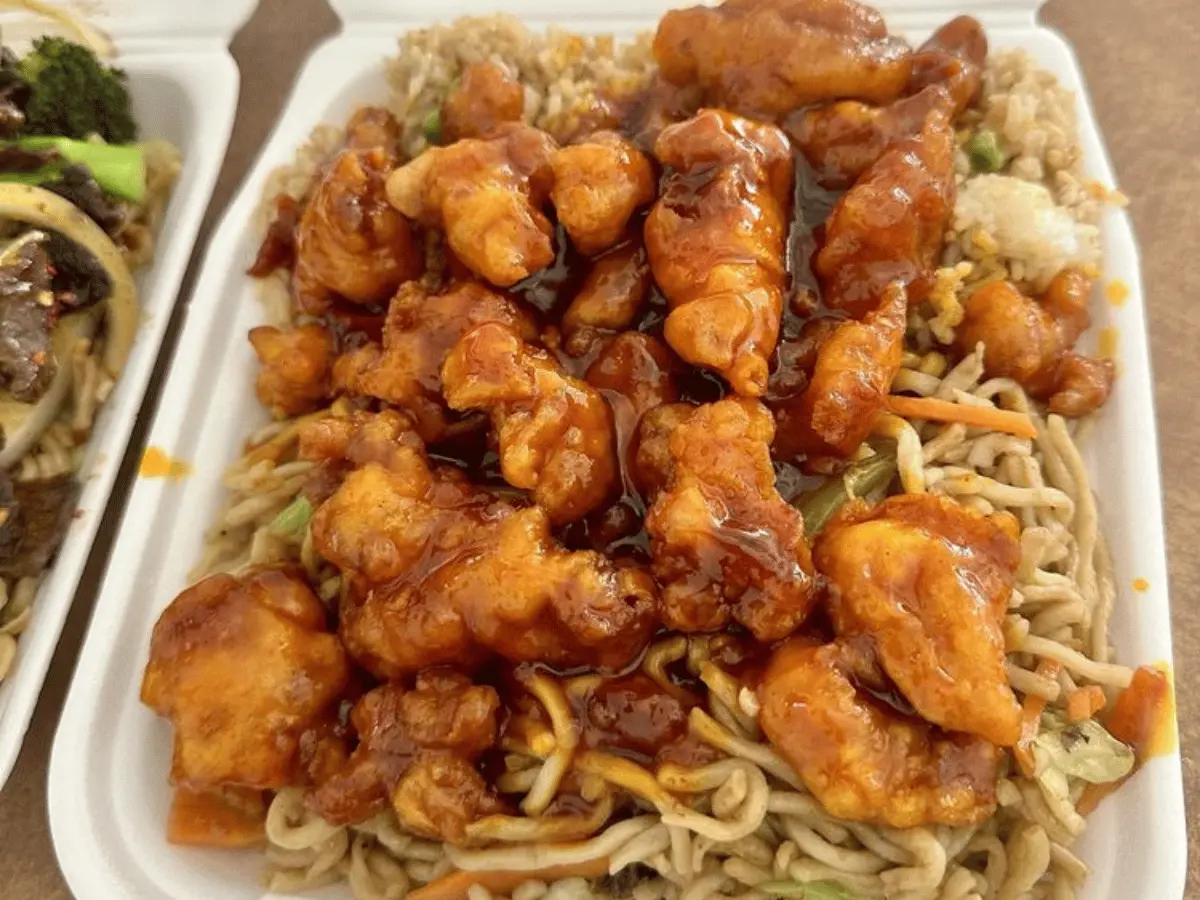
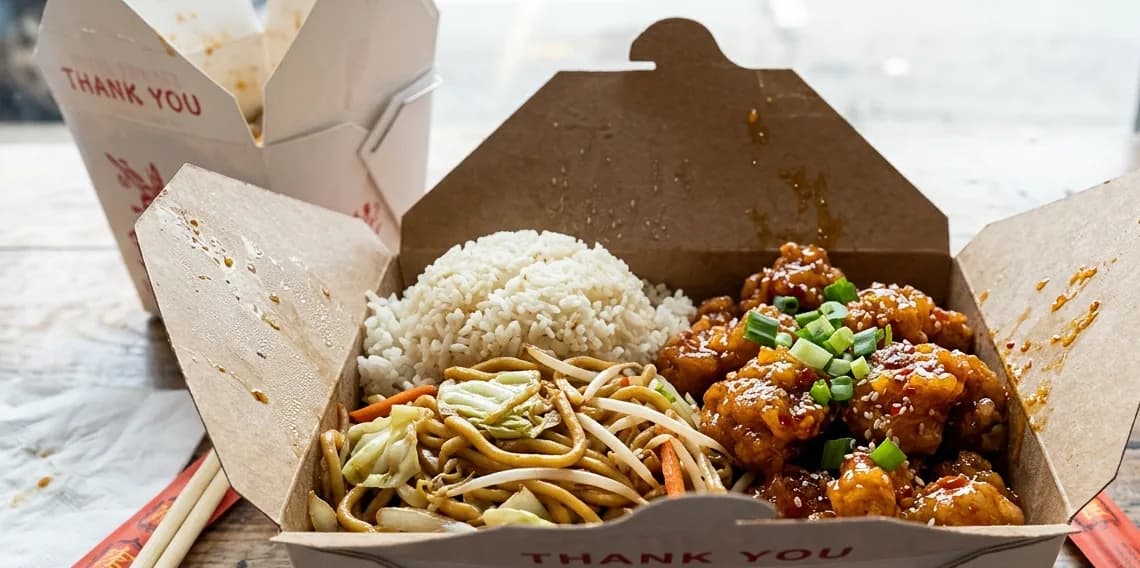
Orange chicken that was crunchy at the counter can turn into a soft, sticky lump after two minutes in the microwave. Fried rice can go dry and hard. It doesn't have to be that way.
Portions at Mark's Kitchen are big, so a lot of people end up with a second meal in the fridge. This guide shows how to reheat each kind of dish so it tastes close to the way it did on Belmont Avenue. It also covers the food safety basics, because day-old rice and chicken need a little care.
These come from the USDA's guidance on leftovers. They apply to every dish in this guide.
| Rule | What it means for your takeout |
|---|---|
| Fridge within 2 hours | Get the boxes into the fridge within two hours of pickup. On a hot Fresno day above 90°F, make it one hour. A box left in a hot car counts. |
| Eat within 3 to 4 days | Leftovers keep in the fridge for three to four days. After that, toss them. |
| Reheat to 165°F | Leftovers should reach 165°F all the way through. A cheap instant-read thermometer takes the guessing out of it. |
| Boil soups | Soups and sauces should come to a rolling boil when you reheat them. |
One more tip: don't leave food in a big, deep box to cool. Spread it into shallow containers so it chills fast.
Cooked rice gets its own warning. Rice can carry spores of a germ called Bacillus cereus. The spores can survive cooking, then grow if the rice sits warm for hours. That's why rice should go into the fridge quickly and not sit out on the counter overnight.
Rice that was cooled fast and kept cold is fine to reheat. Just heat it until it's steaming hot.
These are battered and fried, so the goal is to bring back the crunch. The microwave is the worst choice here, because steam softens the coating.
The sweet glaze can scorch fast, so check early. If the sauce has soaked in and gone thick, a teaspoon of water in the pan loosens it.
Noodles dry out and clump in the fridge. They need a little moisture.
Fried rice is one dish that often tastes better the next day. Cold rice fries up nicely.
This is where the microwave actually does a fine job. The sauce keeps everything moist.
Put the food in a covered, microwave-safe dish. Heat for 1 to 2 minutes, stir, then heat again. Stirring matters, because microwaves leave cold spots in the middle.
Never microwave fried appetizers unless you like them chewy. An air fryer at about 350°F for 3 to 5 minutes brings back the crisp shell. An oven or toaster oven works, too, it just takes a little longer.
Pot stickers do well in a skillet. Crisp the bottoms in a little oil, then add a spoonful of water and cover the pan for a minute to steam the tops.
Honestly, this one is best eaten fresh. The creamy sauce doesn't love being reheated, and shrimp turn rubbery fast.
If you have leftovers, warm them gently in the microwave for 30 to 45 seconds. Pull the walnuts off first if you want to keep them crunchy, and add them back at the end.
Pour it into a pot and bring it to a rolling boil, as the USDA advises for soups. Give it a good stir, since the tofu and egg tend to settle at the bottom.
Take it apart first. Warm the patty in a covered skillet with a spoonful of water, toast the bun on its own, and add cold toppings after.
| Dish | Best method | Avoid |
|---|---|---|
| Orange chicken, General Tso | Air fryer or oven | Microwave |
| Chow mein, chow fun | Skillet with a splash of water | Microwave without a cover |
| Fried rice | Hot skillet | Leaving it out overnight |
| Stir-fries with sauce | Covered microwave, stirred | Heating without stirring |
| Egg rolls, wontons | Air fryer | Microwave |
| Honey walnut shrimp | Short, gentle microwave | Long, high heat |
| Hot & sour soup | Pot, brought to a boil | Lukewarm reheating |
Yes, for some dishes. The USDA says frozen leftovers are best within three to four months. They stay safe longer, but they lose flavor and moisture.
Freezes well: fried rice, plain rice, saucy stir-fries like broccoli beef, and BBQ pork.
Doesn't freeze well: anything crispy, like orange chicken or egg rolls. It stays safe, but the texture won't come back. Creamy honey walnut shrimp also tends to separate once thawed.
Thaw frozen leftovers in the fridge overnight, then reheat to 165°F.
Not sure what to order? Our list of must-try dishes and the full menu can help you plan.
Three to four days, according to the USDA. That's as long as it went into the fridge within two hours of pickup.
Yes, if it was put in the fridge quickly and kept cold. Rice that sat out at room temperature for hours is the real risk.
Steam. The microwave heats the moisture in the sauce, and that softens the coating. Dry heat from an air fryer or oven keeps it crisp.
Use dry heat for crispy food, a little moisture for noodles and rice, and a cover for saucy dishes. Get everything into the fridge fast, and finish it within four days. Do that, and your second Mark's Kitchen meal can be almost as good as the first.
Reading this made you hungry? Call ahead and we'll have it ready.
(559) 454-1438Written by
The Mark's Kitchen crew
Notes on Chinese food in Fresno from the kitchen on E Belmont Ave, what to order, how to order it, and the questions locals actually ask.