Dietary Guide
Gluten-Free Options at Chinese Restaurants: A Fresno Guide
By the Mark's Kitchen crewAugust 20266 min read
Soy sauce is the quiet problem with Chinese food and gluten. Most people don't think about it until they've already ordered, and by then it's already in the fried rice, the chow mein, and half the sauces on the menu.
That doesn't mean gluten-free Chinese takeout is impossible. It just means it takes a little more attention than picking whatever sounds good off the menu.
Here's a common myth worth clearing up first: "Chinese food is basically all rice and vegetables, so it's naturally gluten-free." Not quite. Rice itself is gluten-free, but most Chinese-American sauces, including soy sauce, oyster sauce, and hoisin, are made with wheat. Even dishes that look simple can carry gluten through the sauce alone.
Myth: "If a dish doesn't have noodles or breading, it's safe." Also not reliable. Breaded dishes like orange chicken or General Tso's chicken are the obvious risk, since the coating itself is flour-based. But a plain-looking stir-fry can carry just as much gluten if it's finished with a wheat-based sauce.
Myth: "Gluten-free Chinese food doesn't really exist, you just have to skip Chinese food entirely." This one's the most common, and it's the least true. Plenty of dishes can be made gluten-free with a small adjustment, usually just swapping the sauce or asking for a substitution.
Soy sauce is the biggest culprit by far. It's used across chow mein, fried rice, stir-fries, and most brown sauces, and traditional soy sauce is brewed with wheat.
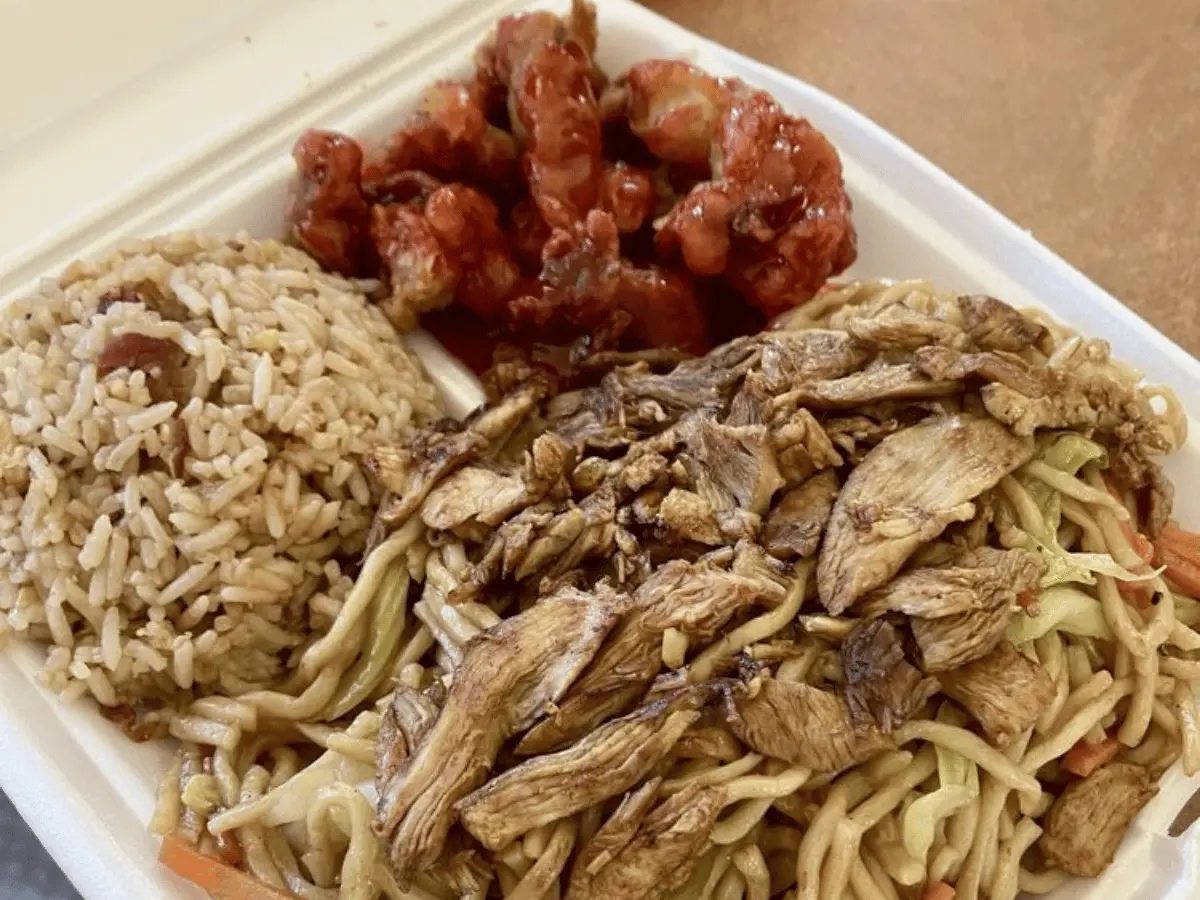
Breaded and battered dishes are the next concern. Orange chicken, sweet and sour pork, and General Tso's chicken all rely on a flour-based coating before frying.
Hoisin sauce and oyster sauce, common in stir-fries and glazes, often contain wheat as well, even when the dish itself looks like a simple vegetable stir-fry.
Steamed rice is naturally gluten-free, and it's a safer base than fried rice, which is typically cooked with soy sauce. Steamed dishes without sauce, or with sauce served on the side, give you the most control.
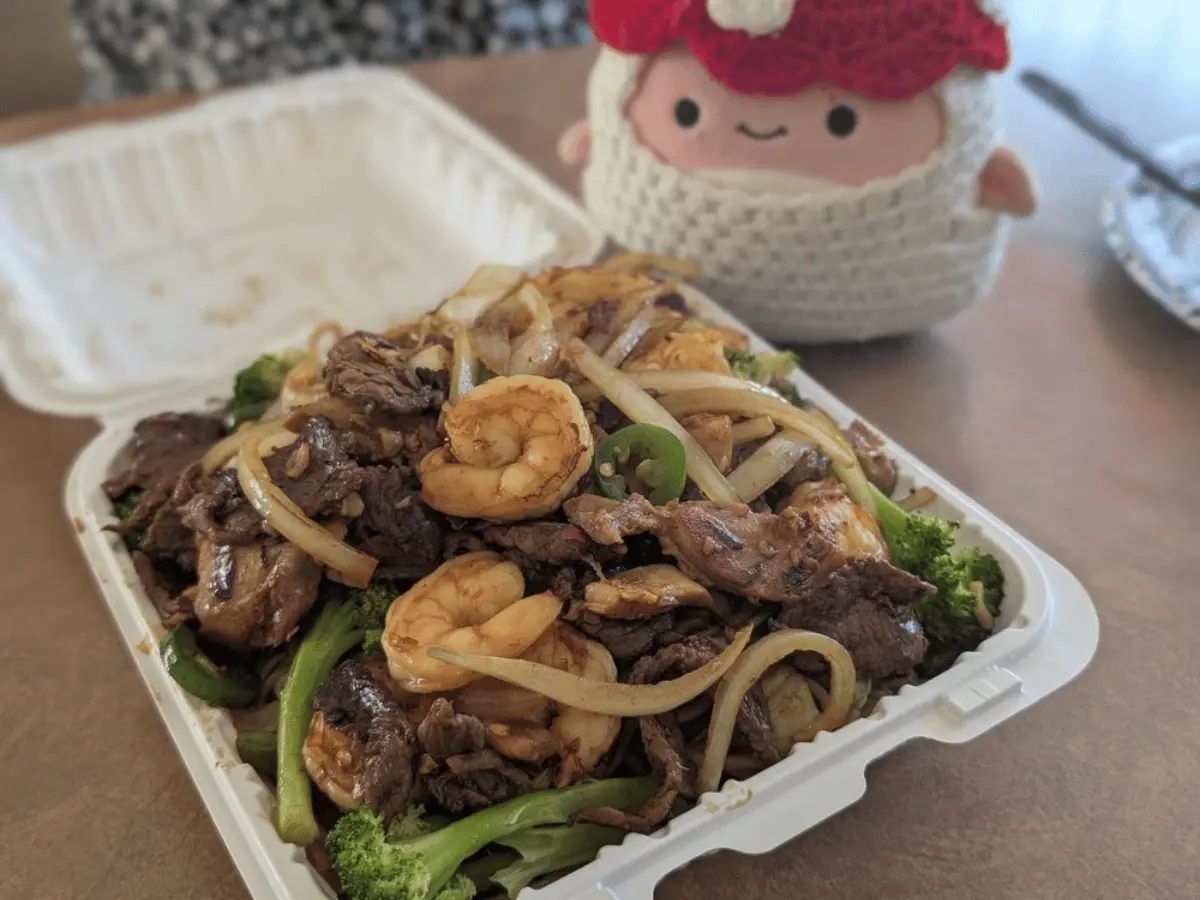
Plain steamed vegetables and simply prepared proteins, chicken, beef, or shrimp without breading or a heavy glaze, are usually the safest bet if you're being cautious. Check the full menu ahead of time and look for dishes that are steamed or lightly sauced rather than fried and glazed.
Calling ahead makes a real difference. Ask directly whether a dish can be made without soy sauce, or whether a gluten-free soy sauce alternative, like tamari, is available. Not every kitchen carries it, but plenty do if you ask.
Be specific about cross-contact too. Shared woks, shared fryers, and shared prep surfaces are standard in most Chinese kitchens, so even a dish made without gluten-containing sauce can pick up trace amounts if it's cooked in the same wok as something breaded.
If you have celiac disease specifically, rather than a general sensitivity, this distinction matters more. The Celiac Disease Foundation's guidance on dining out recommends calling ahead during non-peak hours, asking direct questions about ingredients and prep methods, and being willing to speak with a manager or chef if your server seems unsure.
Fully dedicated gluten-free Chinese restaurants are rare, mostly because soy sauce is so deeply built into the cuisine. What's more realistic, and more common, is finding a Chinese-American restaurant that's accommodating and willing to adjust dishes on request.
That's a different standard than a restaurant that's gluten-free by default, and it's worth knowing the difference before you search "gf Chinese restaurant near me" expecting a fully dedicated kitchen. A good sign is a restaurant that answers your questions clearly on the phone instead of guessing.
Not every restaurant menu that says "gluten-free" means the same thing. Packaged food labeling is legally regulated in the U.S., but restaurant menus generally aren't held to the same standard, which is part of why direct communication with the kitchen matters more than the label itself.
The FDA's gluten-free labeling rule defines what "gluten-free" legally means for packaged foods, capping gluten content at under 20 parts per million. That standard doesn't automatically extend to what a restaurant kitchen calls gluten-free on a menu, so a little extra caution and a direct conversation with staff goes further than trusting a menu label alone.
We use traditional soy sauce across most of our dishes, so nothing on the menu is labeled gluten-free by default. But we try to keep the kitchen genuinely allergy-friendly for Chinese food overall, not just gluten. Steamed dishes, plain proteins, and a few vegetable-forward options can often be adjusted with a quick note when you call in your order.
If you're also managing other dietary needs alongside gluten, our guide to vegetarian Chinese food options covers a related set of questions that tend to come up together, protein sources, cross-contact, and what's actually flexible on the menu.
Before you call, it helps to have a short mental list ready. Ask whether soy sauce can be swapped or left out. Confirm whether a dish is fried in a shared fryer with breaded items. Choose steamed or lightly sauced dishes over anything battered. And say clearly whether you're managing a sensitivity or celiac disease, since the level of caution needed is genuinely different between the two.
If you want to talk through a specific dish or a larger order before committing to it, reach out to us directly and we'll walk through what can realistically be adjusted.
Reading this made you hungry? Call ahead and we'll have it ready.
(559) 454-1438Written by
The Mark's Kitchen crew
Notes on Chinese food in Fresno from the kitchen on E Belmont Ave — what to order, how to order it, and the questions locals actually ask.